Shunpanro
春帆楼
A hub of history and transport overlooking the Kanmon Straits.
The first restaurant in Japan to be licensed as a fugu restaurant.
Shimonoseki City, Yamaguchi Prefecture

Shunpanro is a 130-year old restaurant overlooking the Kanmon Straits. It was frequented by Ito Hirobumi Ito, the first Prime Minister of Japan, and has been the site of many changing points in history including historic international diplomatic meetings. And one thing that you cannot forget to mention when talking about Shunpanro is the traditional Japanese cuisine of fugu (blowfish). Many countries have banned fugu due to its deadly poison, but it has long-been eaten in Japan.
Fugu is a local delicacy in Shimonoseki, as it is the number one place for catching fugu in Japan, and there are many markets and processed food makers specialized in selling fugu, which is unique even in Japan. During the days when fugu was banned, Ito Hirobumi Ito ate fugu cuisine at Shunpanro and was awed by its deliciousness, and so lifted the ban on fugu for Shimonoseki ahead of the rest of the country. This lead to Shunpanro earning the name as the first licensed fugu restaurant in Japan. We'd like to introduce you to the unique Japanese dining culture of fugu cuisine, including its history and the uniqueness of the region, and have prepared a plan to experience the best in fugu cuisine.


- The Seven Graces of a Ryotei Experience
- A ryotei, a traditional restaurant, is a high-end restaurant where you can experience a comprehensive art that brings together Japanese beauty and artisanal skills, including authentic Japanese cuisine, architecture, hospitality, and traditional culture. We will introduce you to the charms of the restaurants in the seven Setouchi prefectures by dividing them into "seven graces," and take you on a journey through their profound world.
-


1 The Grace of Cuisine
Eight chefs with qualified knowledge of fugu and refined skills are at work in the kitchen. The best part of cooking fugu is the gorgeous presentation, which allows the thinly sliced fugu meat to stand out. An Arita ware painted plate is used to emphasize the translucent thinness of the dish while also highlighting its luxury. The food is artistically presented by the skilled artisans in various arrangements that allow you to enjoy the harmony between the food and the tableware, such as the Kikumori arrangement, which resembles a chrysanthemum flower, and the Tsurumori arrangement, which resembles a crane. It is said that to master the Shunpanro style of serving on painted plates requires more than five years of practical experience in a kitchen. They also pay special attention to the seasonings and condiments they use, such as their homemade ponzu sauce that brings out the flavor of the fugu, and Yasuoka leeks, which are specially made for fugu sashimi.
-


2 The Grace of Architecture
It was completely burned down during the war in 1945, but was soon rebuilt, and the current building was completely renovated in December 1985. The 10 private rooms exude a Japanese atmosphere and offer a view of the Kanmon Straits, allowing you to relax while watching the ships pass by. The Imperial Room special banquet hall, which was formerly the Emperor's throne room, is an elegant space with a Western chandelier and a Japanese-style setting with transoms and a tokonoma alcove. The panoramic view of the Kanmon Straits is also a spectacular sight.
-
3 The Grace of Décor
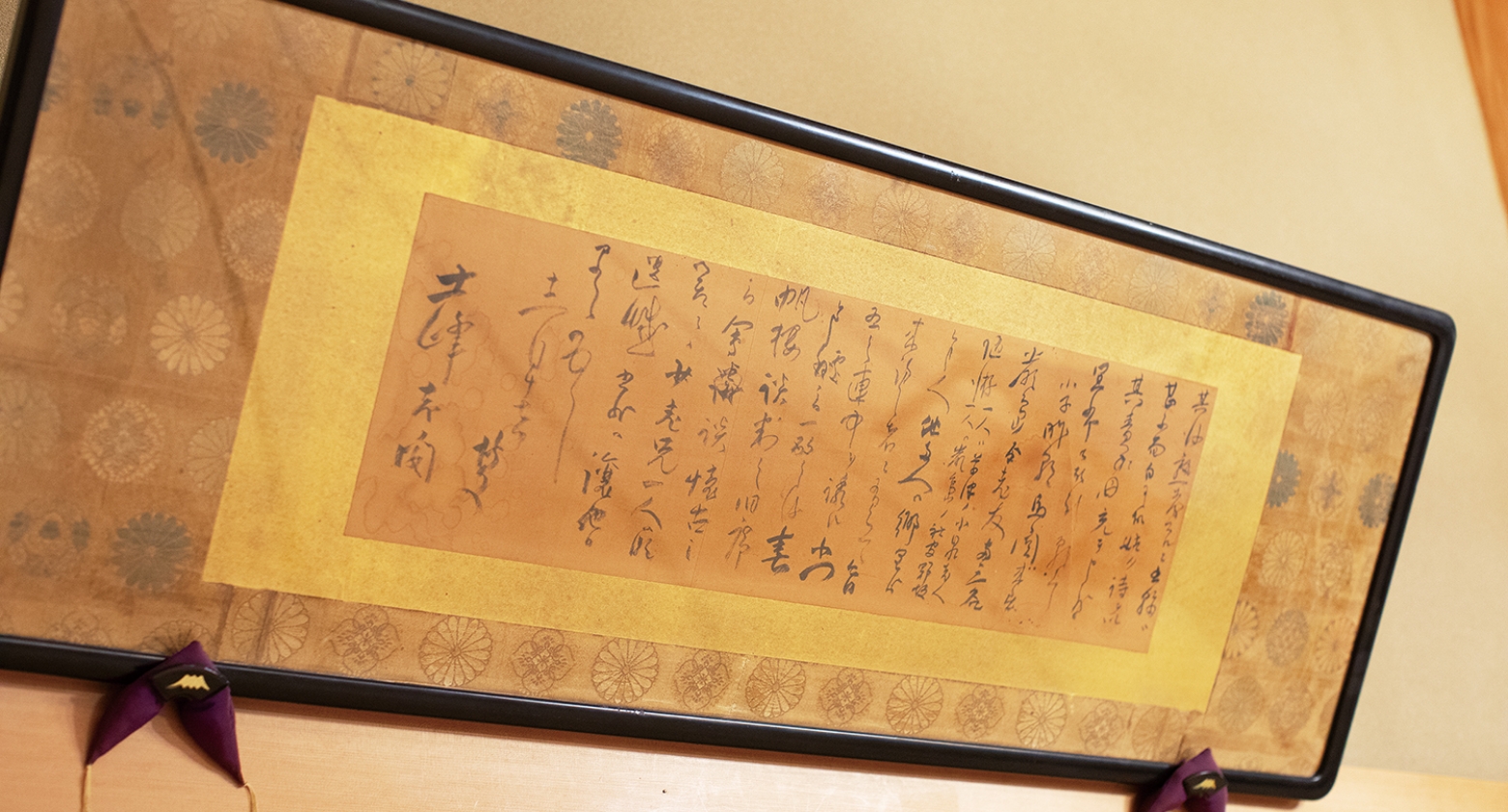
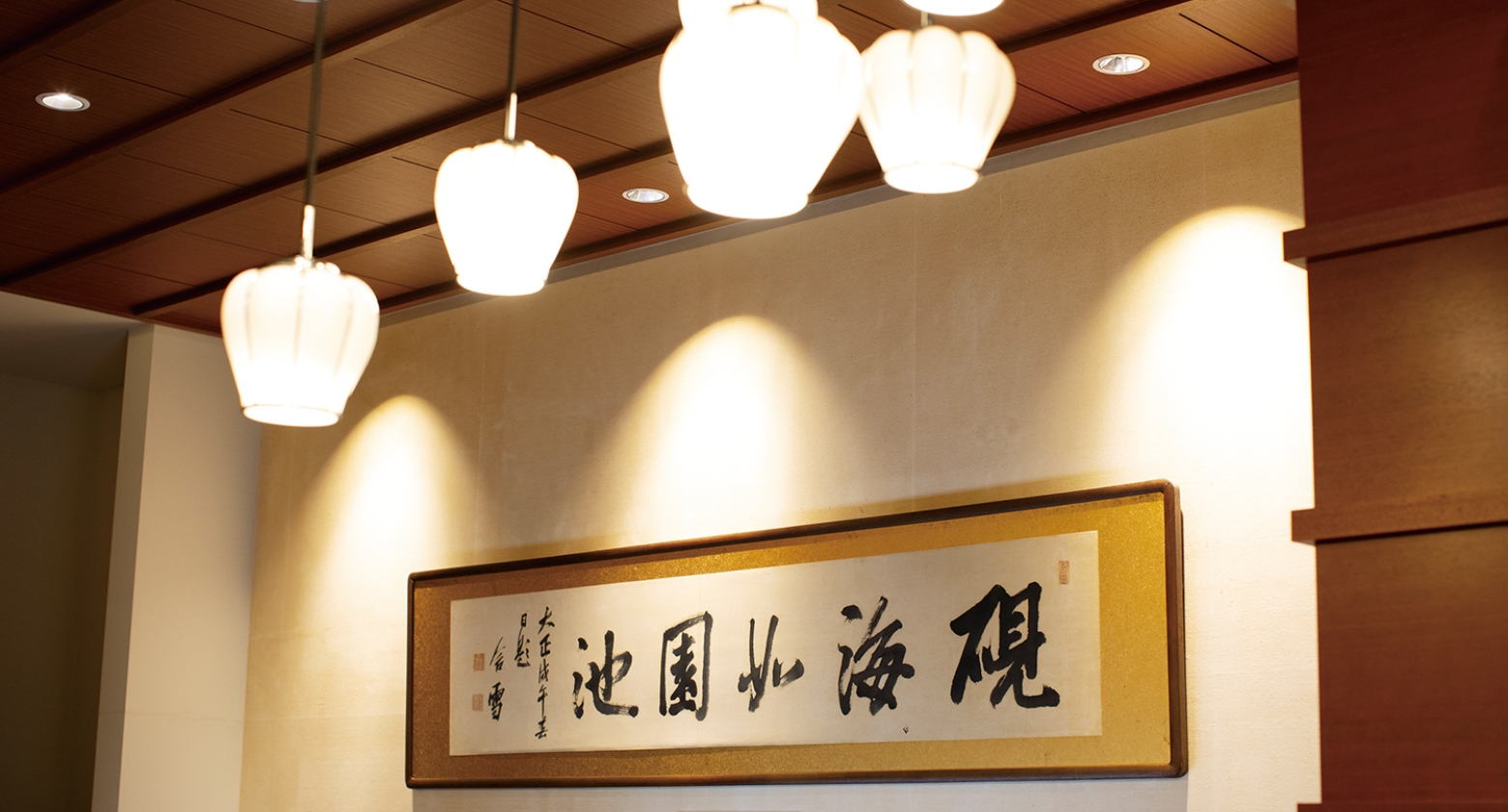
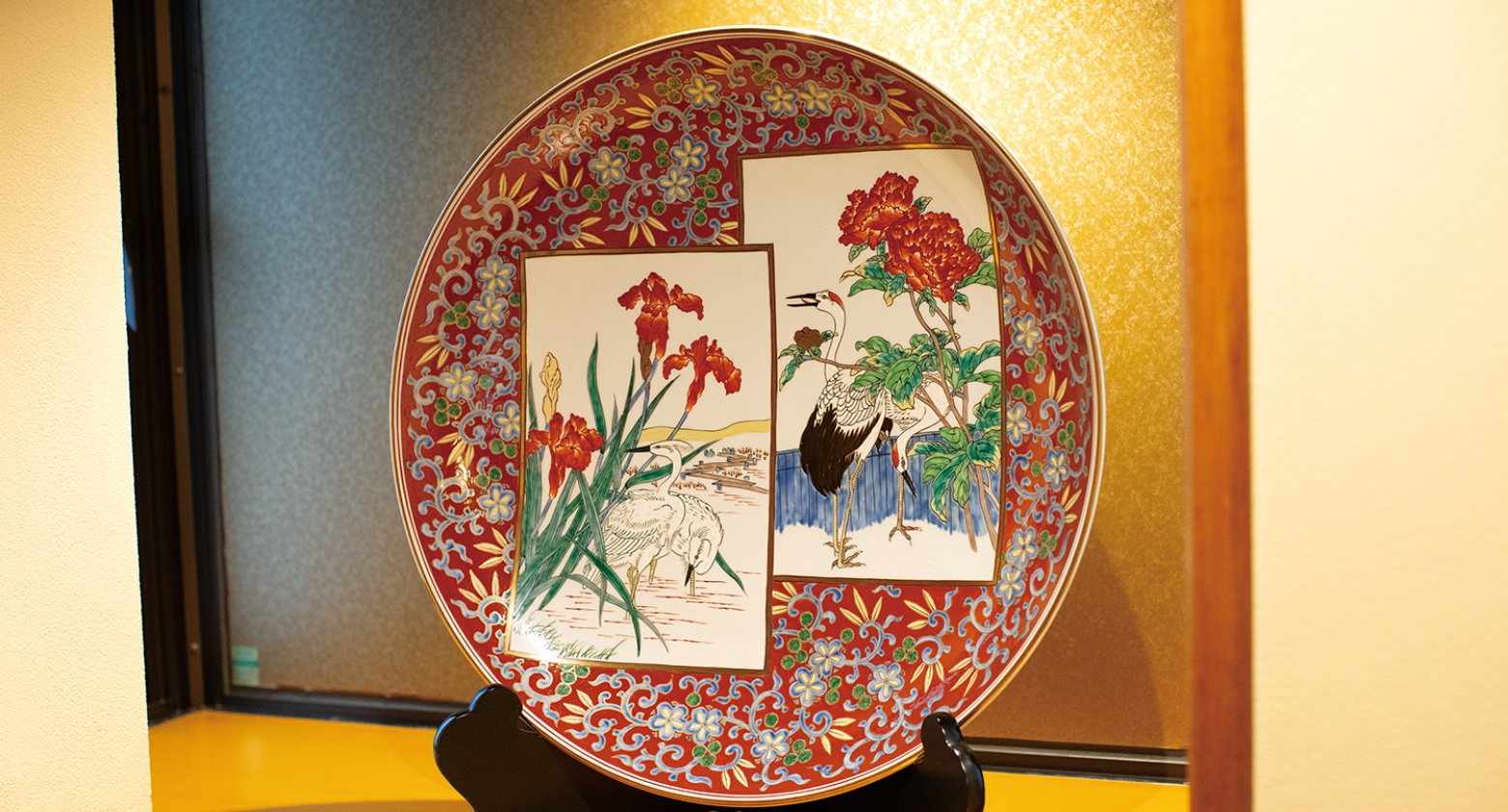
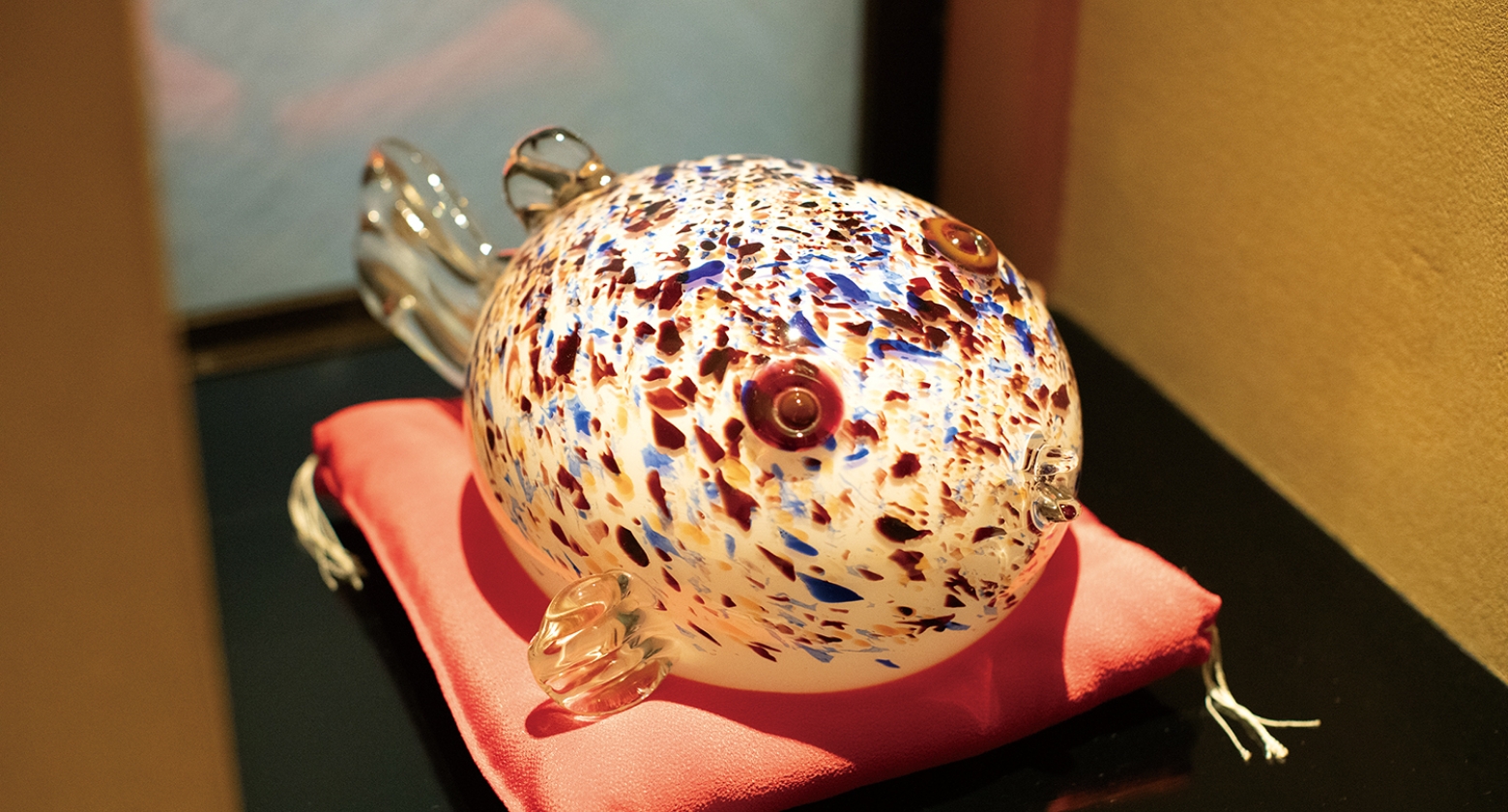
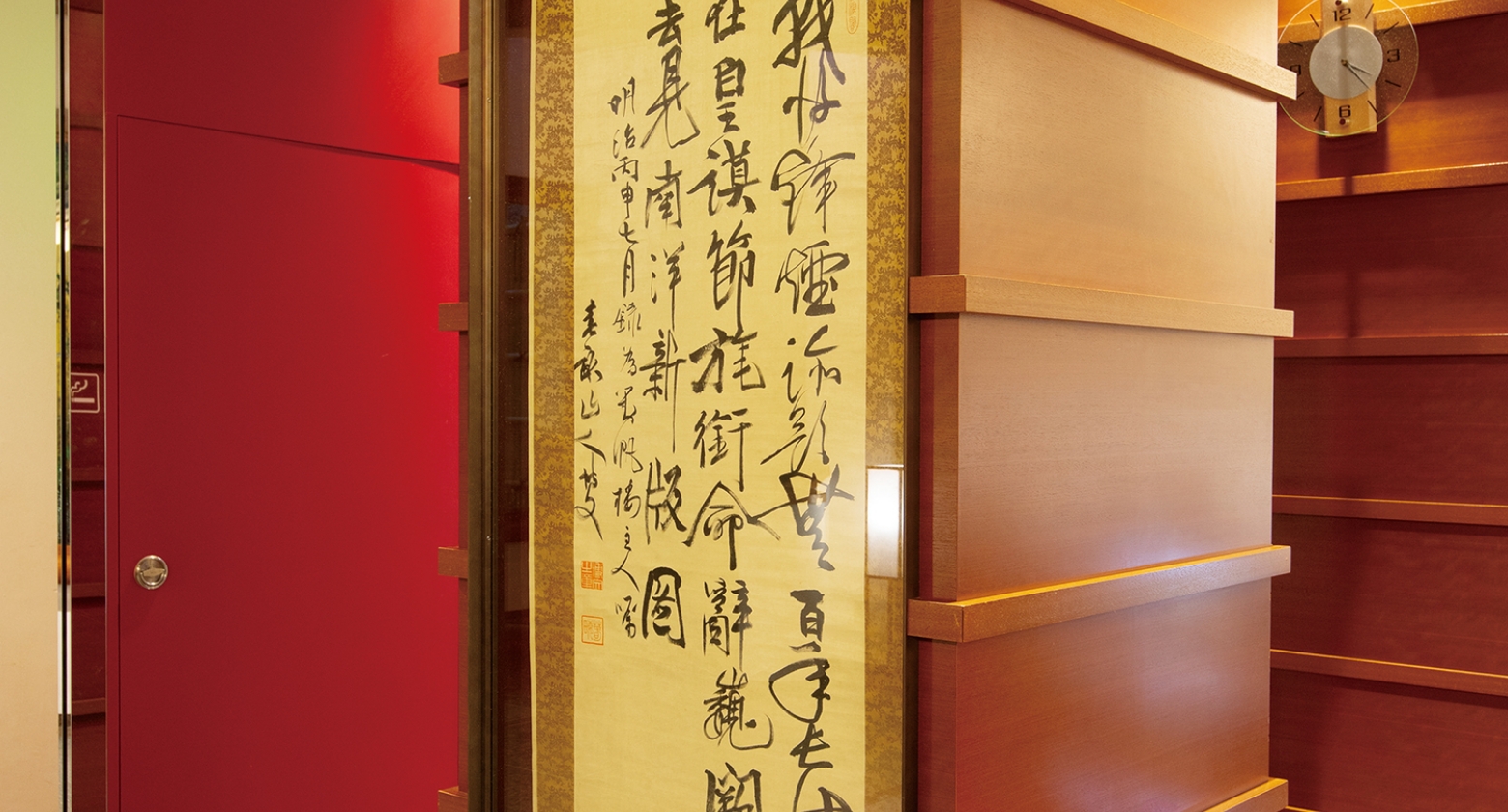
The restaurant houses and exhibits many rare historical documents and artworks, including calligraphy by Japan's past prime ministers and a handwritten letter by Ito Hirobumi with the name "Shunpanro" written on it. You can also get a glimpse of the history of Shunpanro from here. The interior of the building is decorated with fugu-themed furnishings, including paintings, glasswork, and colorful decorative plates.
-


4 The Grace of Japanese Hospitality
Shunpanro, known as Shimonoseki's guesthouse, has entertained important people from all walks of life. While food is the main focus, the hotel also strives to make guests feel relaxed and at home. The origins of Shunpanro date back to a day when a storm made it impossible to get fish, and in response to Ito Hirobumi's request to "eat fish," the proprietress at the time served him fugu, which was banned at the time, knowing it was punishable by death. This spirit of caring for others and showing hospitality has been passed down to this day.
-


5 The Grace of Legacy
The interior of the building has a modern atmosphere while conveying the history of this elegant, long-established establishment. With a variety of different types of private rooms available, it is also chosen for special occasions such as traditional events to pray for the growth of children or meetings between two families. The Imperial Room special banquet room on the fourth floor, with its elegant furnishings and design, is also used for engagement ceremonies and wedding receptions.
-


6 The Grace of Performance
It has been chosen as the venue for a variety of traditional Japanese performing arts, from tea ceremonies and koto concerts, events held by cultural figures, and professional shogi title matches. Shunpanro, a hotel steeped in history and tradition, also cherishes these traditional Japanese events and festivals.
-


7 The Grace of Tradition
Shimonoseki's traditional performing art, "Shimonoseki Heike Odori dance," originated from the Bon Odori dance held as a memorial for the Heike clan who were defeated in the Genpei War. Dancers raise their hands above their chests and dance to eleven beats. Around 4,000 dancers take part in the region's signature summer festival, the Bakan Festival. There are also staff from Shunpanro involved in activities to pass on this dance.


- Introducing Shunpanro
- This restaurant and ryokan is located on a hill overlooking the Kanmon Straits in Shimonoseki City, the site of many historical events. It was christened by the first Prime Minister of Japan, Ito Hirobumi, and in 1888 was given the first official license to serve fugu cuisine by him. It is also widely known as the site of the 1895 Treaty of Shimonoseki. To date, the Emperor and Empress, as well as past prime ministers and dignitaries, have visited the restaurant to enjoy fugu dishes. Today the restaurant has branches in Tokyo and Osaka and is loved by foodies all over the country. Fugu cuisine is a Shimonoseki delicacy that has impressed gourmets. Enjoy Japanese food culture and delicious flavors at this historic restaurant, the first in Japan to lift the food ban on fugu.
- Address
- 4-2 Amidajicho, Shimonoseki City, Yamaguchi Prefecture
- TEL
- +81832237181
- Business Hours
- 11:00-14:00 (last admission: 12:30), 17:00-22:00 (last admission: 19:00) *By reservation only
- Closed
- None
- Parking spaces
- 30


