Ryotei Nicho
料亭 二蝶
Inheriting tradition while embracing innovation: A renowned Kagawa establishment in constant evolution.
Takamatsu City, Kagawa Prefecture

Established in 1946, Nicho, anticipating diverse dietary needs, pioneered plant-based kaiseki and recently showcased vegan and halal cuisine at the 2023 G7 Ministerial Meeting, bringing fresh innovation to the industry. Owner Yamamoto Wataru, a Japanese cuisine chef and tea ceremony master, offers guests traditional tea instruction, quintessentially refined kaiseki dining, and cultural storytelling experiences.


- The Seven Graces of a Ryotei Experience
- A ryotei, a traditional restaurant, is a high-end restaurant where you can experience a comprehensive art that brings together Japanese beauty and artisanal skills, including authentic Japanese cuisine, architecture, hospitality, and traditional culture. We will introduce you to the charms of the restaurants in the seven Setouchi prefectures by dividing them into "seven graces," and take you on a journey through their profound world.
-
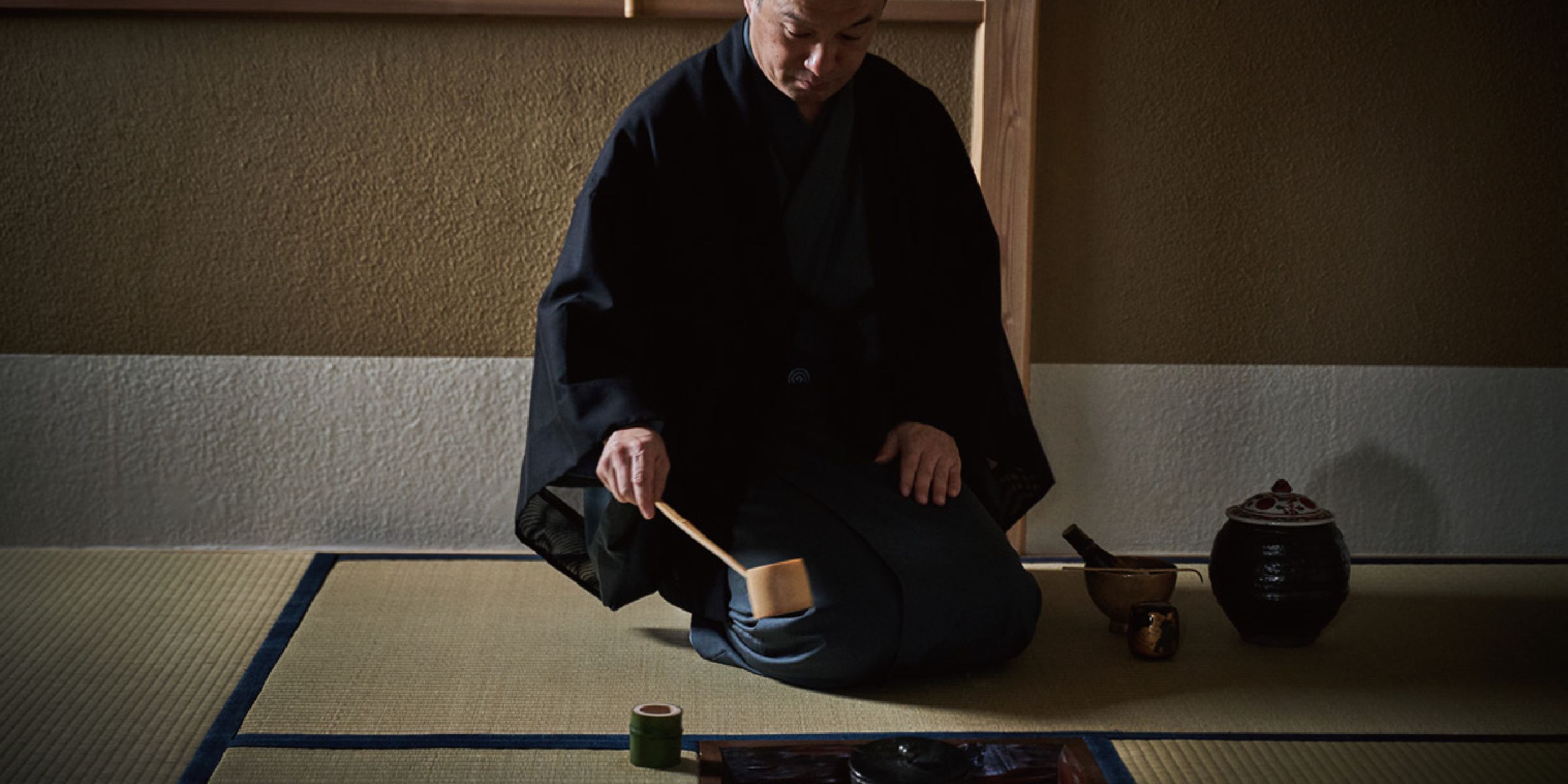


1 The Grace of Tradition
Tea master Yamamoto's practice encompasses various Japanese cultural arts from aesthetically functional tea implements to hanging scrolls and precise movements, transcending traditional school boundaries. He regularly hosts ceremonies at Special Place of Scenic Beauty Ritsurin Garden's Kikugetsu-tei and Higurashi-tei pavilions, welcoming both Japanese and international guests.
-


2 The Grace of Cuisine
Driven by a desire to share Kagawa's cuisine globally and expand dining options for visitors, Nicho obtained HACCP certification, specializing in plant-based cuisine while offering seafood and wagyu options. Dishes feature umami from various mushroom and kombu soup stock, highlighting seasonal Sanuki ingredients to create unique, exclusive dishes. A sake sommelier-curated selection complements the meals, and the restaurant provides special bento for Konpira Kabuki performances.
-


3 The Grace of Décor
Deeply versed in Japanese cultural traditions and continuously refining his sensibility, Yamamoto's refined aesthetic sense guides every detail, from scrolls to carefully selected tableware. His collection includes precious tea bowls from the Muromachi and early Edo periods, crafted for shoguns and dignitaries, creating a bridge between historic and contemporary Japan.
-


4 The Grace of Architecture
The sukiya-style building features 13 guest rooms and a tea room. The dignified entrance with its traditional curtained gateway, the 65-tatami main hall with its raised stage, and tea room embodying wabi-sabi aesthetics are all registered National Cultural Properties. The seasonal Japanese garden creates an otherworldly escape from urban bustle.
-


5 The Grace of Legacy
This National Cultural Property, with its refined kaiseki cuisine, hosts milestone events from weddings to engagement ceremonies. From baby's first meal celebrations to memorial services, it serves as a beloved multi-generational space for passing down family bonds and memories. Private rooms of various sizes accommodate business entertainment and group dining.
-


6 The Grace of Japanese Hospitality
More than just drinking tea, the ceremony connects hearts through hospitality. Nicho deeply integrates this spirit through its staff's mindful attention to seasonal décor and guest care, reflecting the deeper spirit of tea ceremony in every graceful movement and thoughtful gesture.
-


7 The Grace of Performance
Pre-war Takamatsu was known as Sanuki's entertainment district with over 200 geisha. Today, a few performers offer dance and shamisen at Nicho by reservation, adding elegance to banquets, while the venue's managed Ritsurin Garden pavilions feature shakuhachi and koto music performances.


- Introducing Ryotei Nicho
- Founded as a ryokan in 194 6 , Nicho takes its name from a distinguished Sanuki geisha , symbolizing aspirations for prosperity through two ascending butter fl ies. Third-generation owner Yamamoto Wataru, both a chef and tea master deeply versed in Japanese traditions, serves as an influential advisor for industry and Kagawa promotion.
His carefully developed vegan and halal Japanese dishes received acclaim from international of ficials at the 2 023 G7 Kagawa-Takamatsu Urban Development Ministers' Meeting. Now, with his son and head chef Ren, he offers plant-based kaiseki while preserving and expanding culinary traditions. He also hosts tea ceremonies at Michelin Green Guide Japan three-star-rated R itsurin Garden's Kikugetsu-tei and Higurashi- tei pavilions, sharing ryotei culture with global audiences.
- Address
- Hyakkenmachi 7-7, Takamatsu City, Kagawa
- TEL
- +81878517166
- Business Hours
- 11:30-15:30, 17:30-22:00 *By reservation only
- Closed
- Sunday evenings, Mondays (may vary on holidays)
- Parking spaces
- 12
- https://www.instagram.com/ryotei_nicho/


